
When you're selling your home, few things are more stressful than waiting for the inspection results. While most inspections don't technically result in a "pass" or "fail," certain issues can derail your sale, force renegotiations, or send buyers running. Understanding what inspectors flag as serious problems helps you prepare your property and avoid last-minute surprises.
Here are the five most critical issues that can cause your home inspection to fail—and what you can do about them.
1. Roof Damage and Deterioration
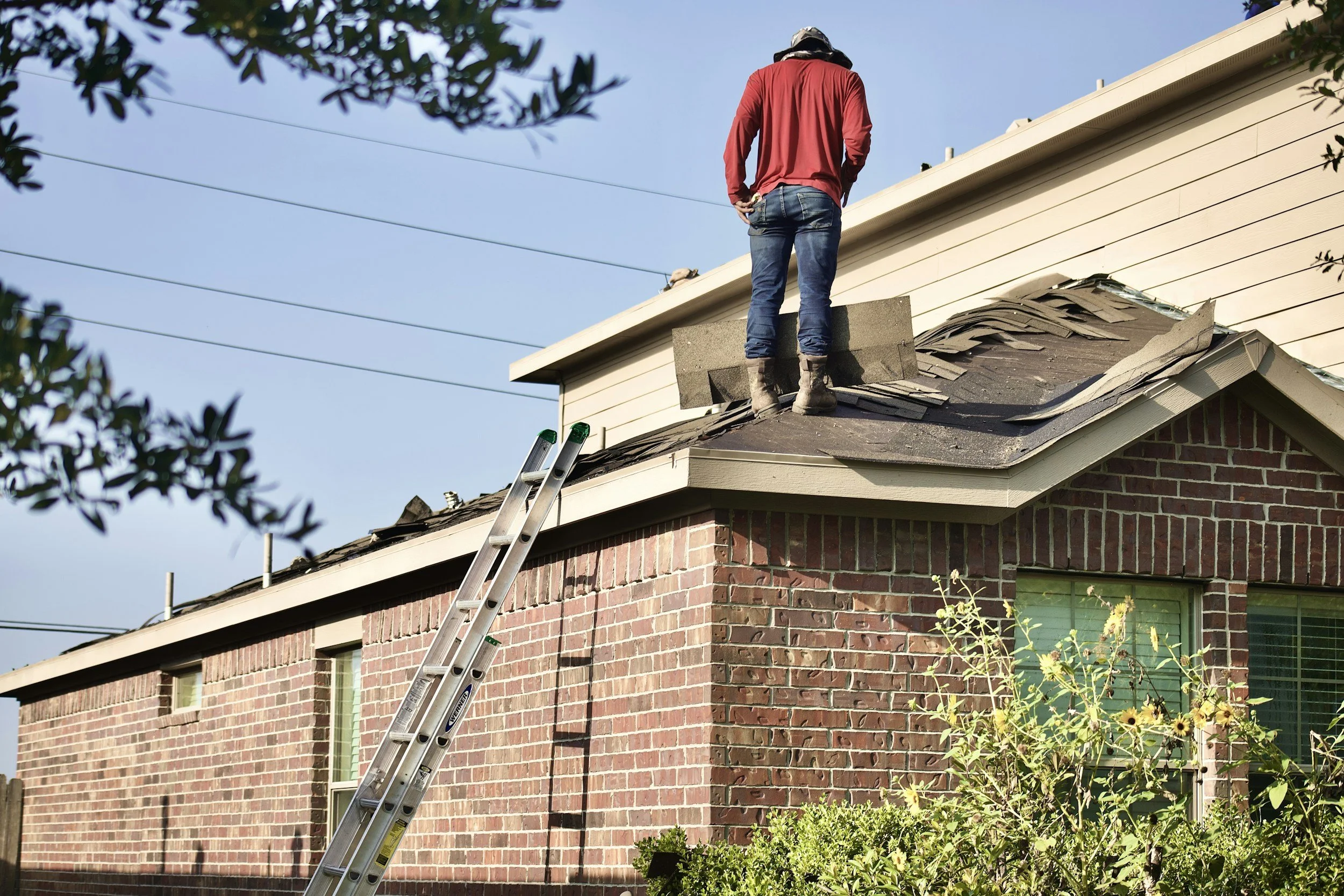
Your roof is your home's first line of defense, and inspectors examine it closely. Missing shingles, water stains, sagging sections, or a roof nearing the end of its lifespan will raise immediate red flags.
Why it matters: Roof repairs are expensive, often costing thousands of dollars. Buyers and their lenders know this, which makes significant roof damage a major deal-breaker.
What you can do: Have your roof professionally inspected before listing. If you're within a few years of needing replacement, consider addressing it proactively. Even minor repairs like replacing damaged shingles or fixing flashing can prevent bigger concerns during the buyer's inspection.
2. Foundation Cracks and Structural Issues
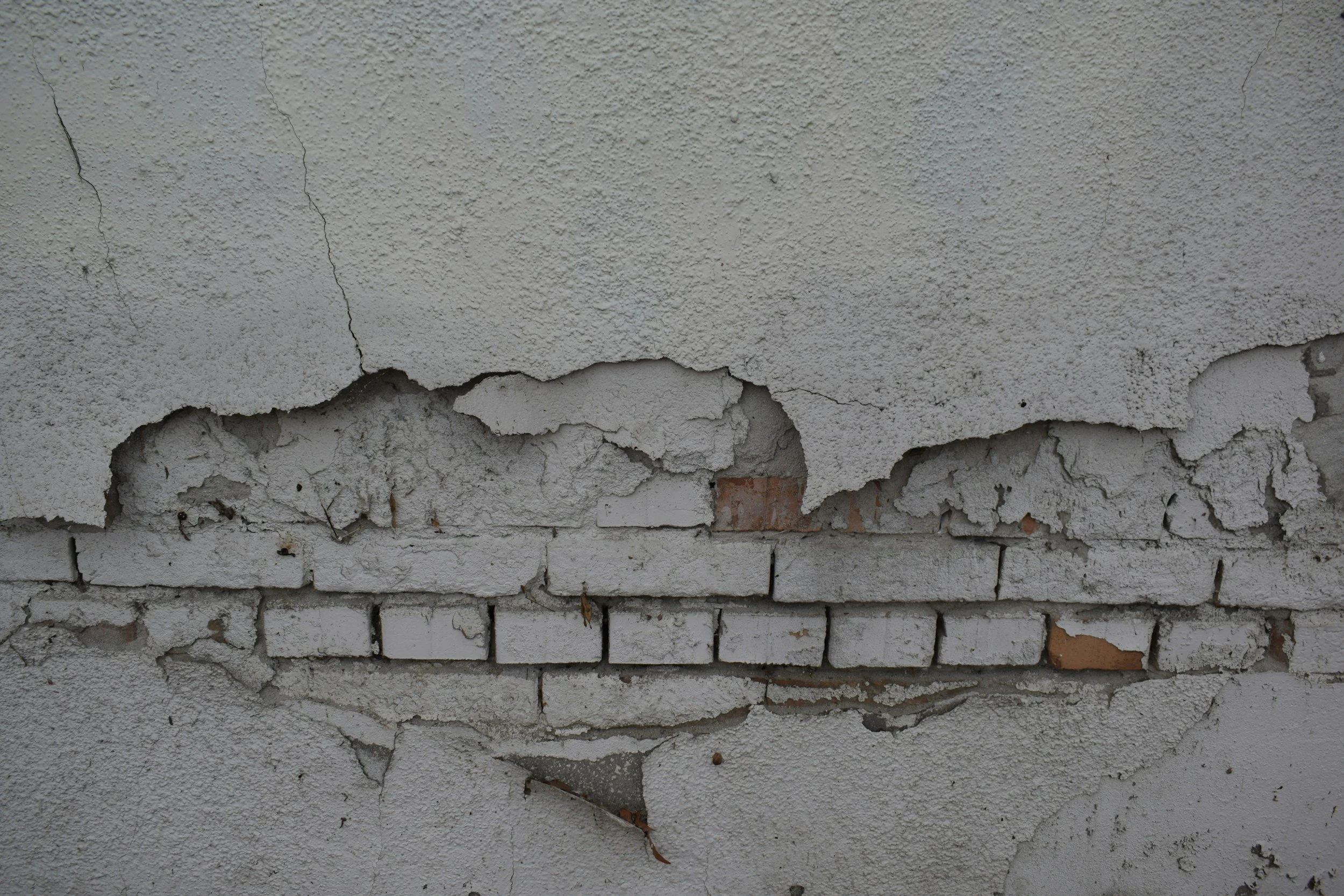
Foundation problems represent some of the most serious—and costly—issues an inspector can find. Large cracks, uneven floors, doors that won't close properly, or visible settling can indicate structural instability.
Why it matters: Foundation repairs can run tens of thousands of dollars, and they signal potential long-term problems with the entire structure. Most buyers won't proceed without significant price reductions or guarantees of repair.
What you can do: Look for warning signs like cracks wider than a quarter-inch, especially if they're horizontal or stair-step patterns in block foundations. If you notice these issues, get a structural engineer's assessment before listing. Sometimes what looks catastrophic is actually manageable, and having a professional report in hand builds buyer confidence.
3. Electrical System Hazards
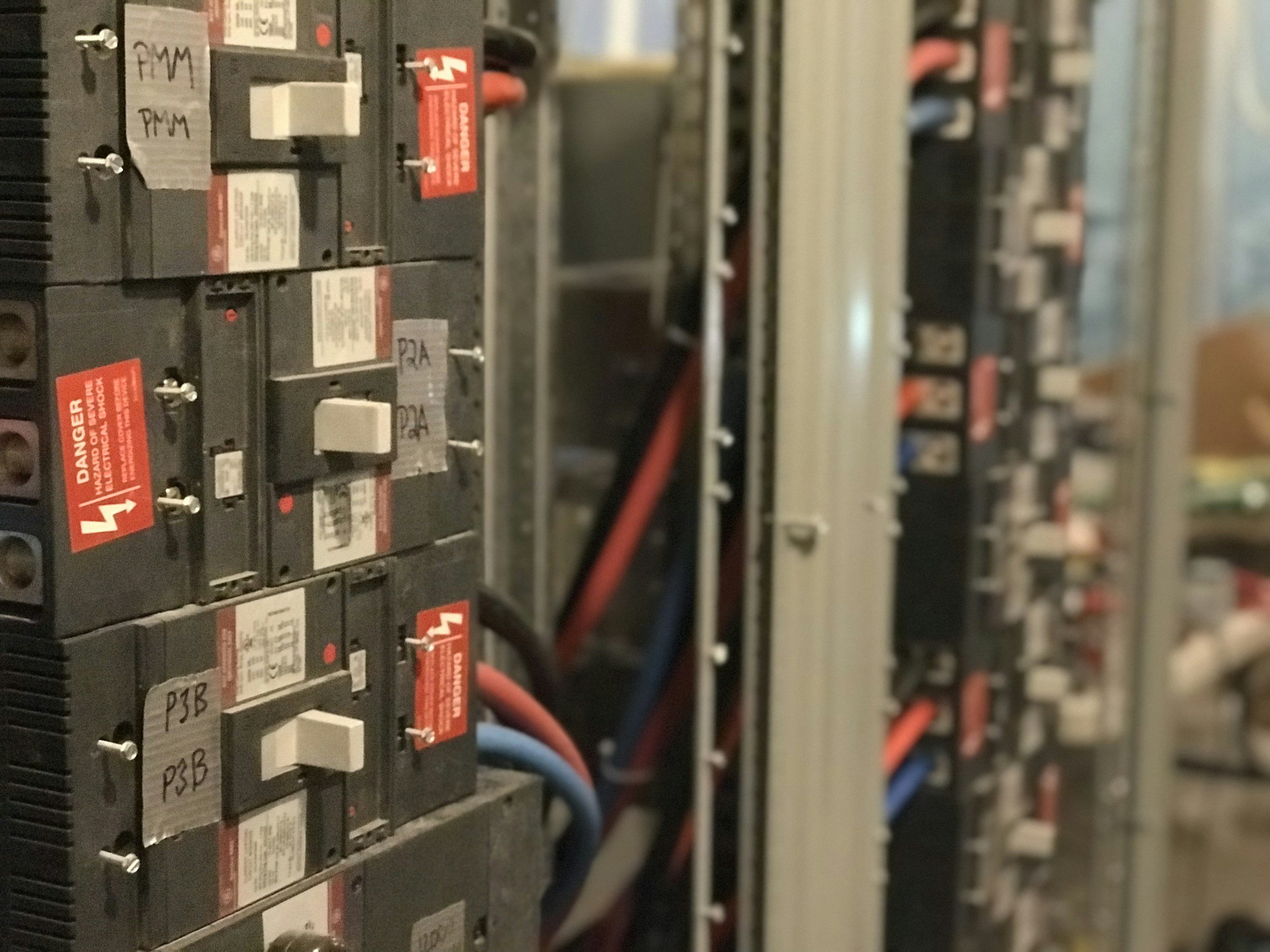
Outdated or dangerous electrical systems are non-negotiable for most buyers and their lenders. Inspectors look for aluminum wiring, insufficient amperage, overloaded circuits, improper DIY work, and lack of GFCI outlets in wet areas.
Why it matters: Electrical issues pose fire hazards and insurance companies may refuse to cover homes with known problems. Lenders often require electrical issues to be resolved before closing.
What you can do: Hire a licensed electrician to evaluate your system before listing, especially if your home was built before 1980. Simple fixes like adding GFCI outlets or replacing an outdated panel are relatively inexpensive compared to the negotiating power you'll lose if buyers discover these issues first.
4. Water Damage and Moisture Problems
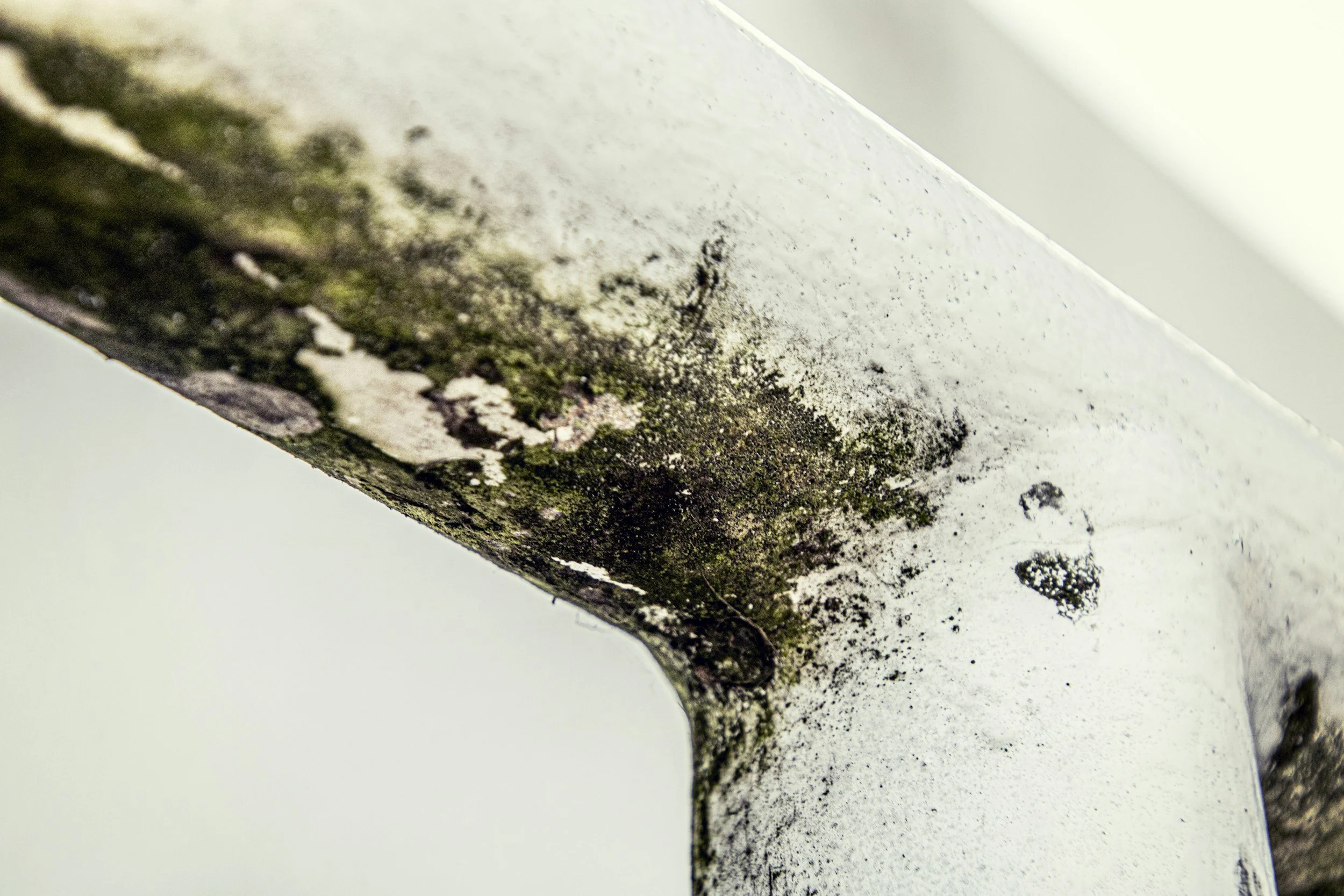
Water is the enemy of every structure, and inspectors are trained to find evidence of leaks, moisture intrusion, and poor drainage. They'll check for water stains, mold, musty odors, foundation water issues, and inadequate grading around your home.
Why it matters: Water damage suggests ongoing problems that will continue to cost money. Mold concerns can kill deals entirely, as buyers worry about health implications and remediation costs.
What you can do: Address any active leaks immediately. Check your basement, crawl space, and attic for water stains or moisture. Ensure gutters are clean and downspouts direct water away from your foundation. Consider having a mold inspection done if you've had previous water issues—it's better to know what you're dealing with upfront.
5. HVAC System Failures
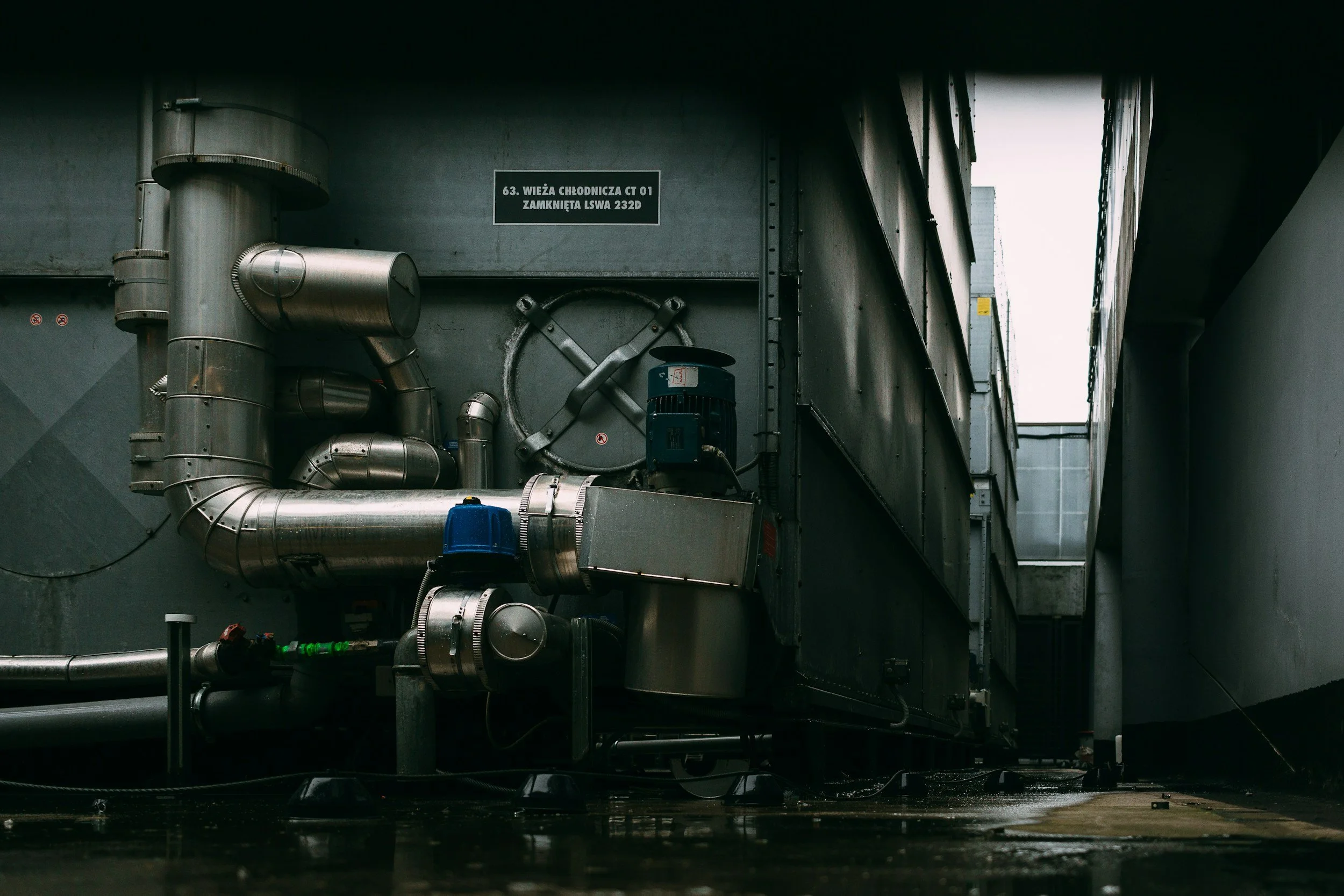
Your heating and cooling systems are expensive to replace, and inspectors test them thoroughly. A furnace or air conditioner that doesn't work properly, is improperly maintained, or is approaching the end of its typical lifespan will concern buyers.
Why it matters: HVAC replacement can cost $5,000 to $15,000 or more. Buyers often request that sellers replace failed systems or offer credits, which directly impacts your bottom line.
What you can do: Service your HVAC systems annually and keep maintenance records. Replace filters, clear around exterior units, and test your systems before the inspection period. If your system is old but functional, consider getting a pre-inspection from an HVAC professional and offering a home warranty to give buyers peace of mind.
Protect Your Sale Before Inspection Day
The best defense against inspection surprises is a strong offense. Consider getting a pre-listing inspection to identify and address major issues before buyers find them. This strategy puts you in control of the narrative and the repairs, rather than scrambling to negotiate after receiving a buyer's inspection report.
Remember, buyers expect homes to have some minor issues—that's normal wear and tear. What derails sales are the major systems and structural components that suggest expensive future problems. By addressing these five critical areas before listing, you'll position your home for a smoother transaction and protect your sale price.
Ready to list your home? Taking time to address potential inspection issues now will save you stress and money when offers start coming in. Your preparation demonstrates to buyers that your home has been well-maintained—and that builds confidence that translates to stronger offers.